



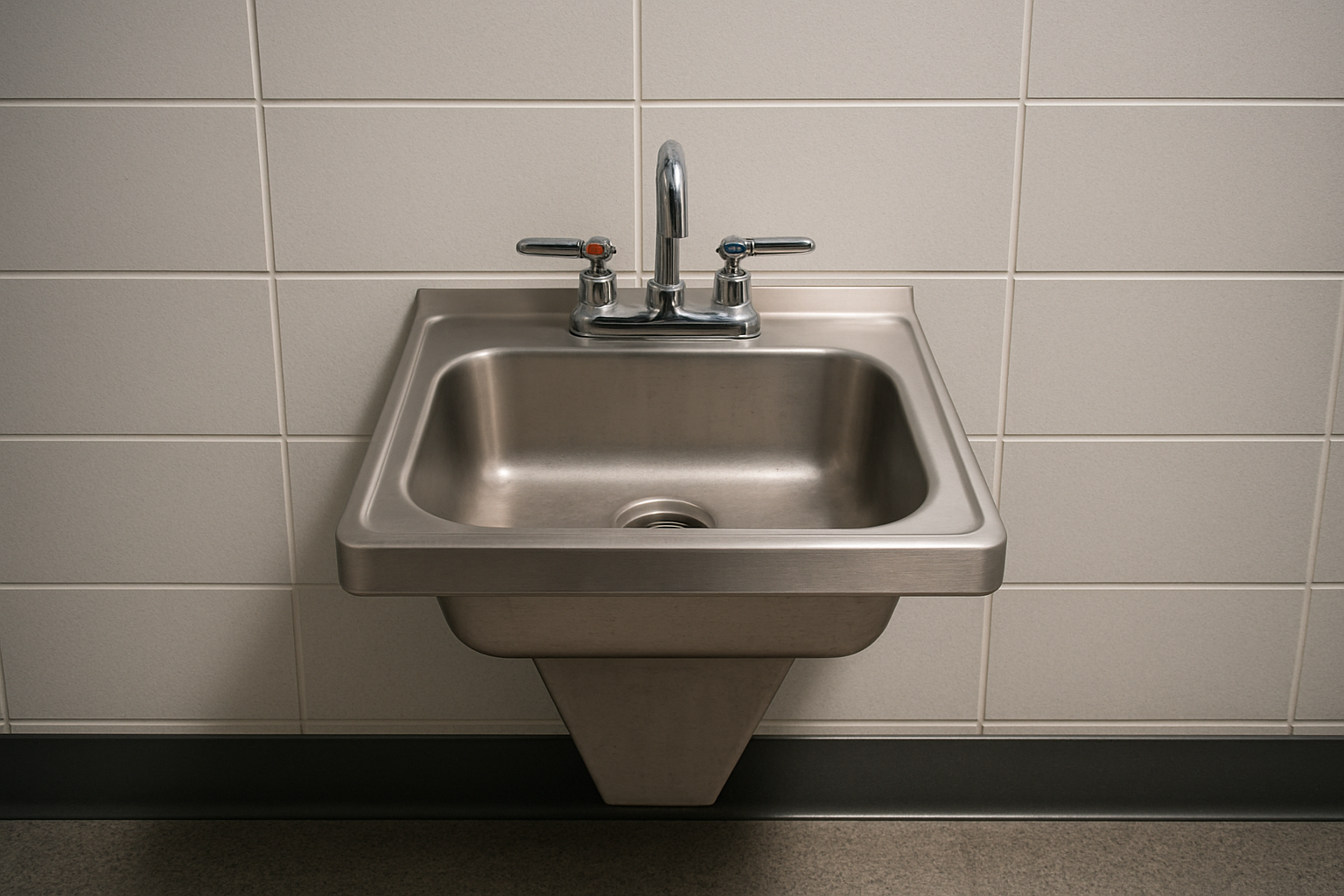
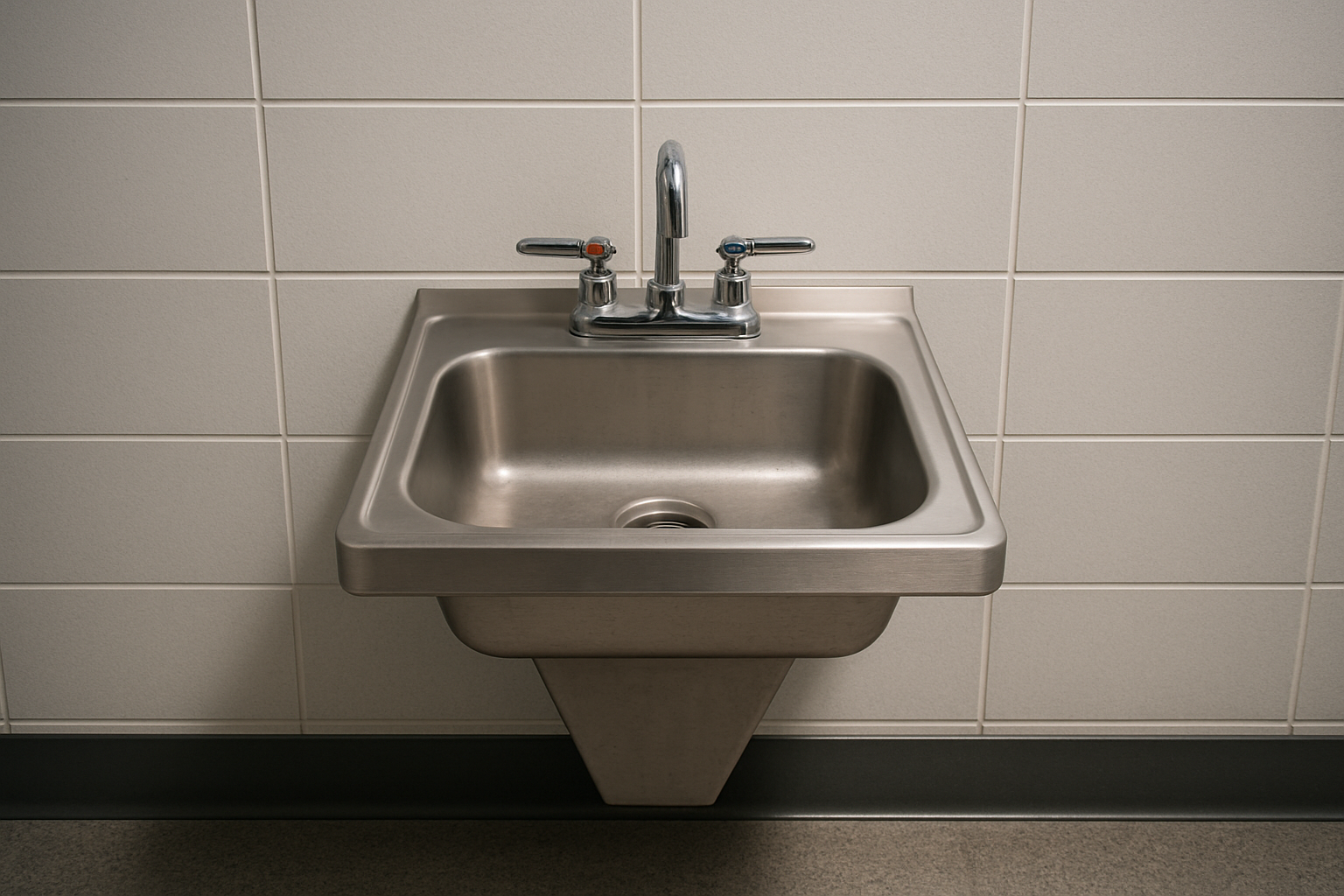
When a building is quieter—whether a school on holiday, a hotel in its off-season, or an office operating with reduced staff—the water systems inside don’t simply "pause." Water remains in the system, stagnates, and warms or cools as it interacts with internal surfaces. In these conditions, bacteria such as Legionella can thrive.
Periods of low water use contribute significantly to Legionnaires' disease outbreaks. Many duty holders underestimate how quickly conditions within their systems change during periods of inactivity. It is essential to recognise these changes to ensure safety and compliance.
This blog explains what happens in water systems during quiet periods, outlines the risks, and details the steps duty holders should take—such as conducting regular flushing, monitoring system temperatures, and reviewing risk assessments—to protect people and maintain compliance.
Stagnant Water: The Perfect Environment for Bacterial Growth
As buildings move into quieter periods, stagnation becomes a key concern.
How stagnation encourages bacterial growth
When water sits still in pipework, outlets, tanks, calorifiers, and dead legs, it rapidly loses the protective controls that normally suppress bacteria. Stagnant systems experience:
- Loss of thermal control
- Increasing debris and sediment build-up
- Reduced effectiveness of disinfectants
- Faster biofilm formation
- Higher potential for bacteria, including Legionella, to colonise
These changes can occur within days, not weeks—particularly in older or complex systems.
Temperature Loss: When Systems Leave the Safe Zone
Legionella multiplies between 20°C and 45°C. During low use, both hot and cold systems can drift into this growth range.
Cold water warms up
Stored or stagnant cold water may gradually rise above 20°C, particularly in:
- Tank rooms
- Loft spaces
- Cupboards containing heating pipework
- Internal plant rooms
- Areas influenced by external weather changes
Hot water cools down
Calorifiers and stored hot water systems also experience temperature loss during inactivity:
- Heat stratification increases
- Peripheral pipework cools
- Return loops lose efficiency
- Stored hot water falls toward the risk range
Systems that normally operate safely can become hazardous when demand drops.
Biofilm Formation: The Hidden Problem You Can’t See
Biofilm, a sticky layer of microorganisms on pipes, tanks, valves, and fittings, forms faster in low-use conditions.
Why does biofilm increase so quickly during low use?
When water isn’t moving:
- Sediment settles
- Scale forms
- Residual disinfectant dissipates
- Nutrients become more available
Once established, biofilm shields bacteria from temperature control, chemical treatment, and flushing. Contamination can still be present even when the water appears clear.
Low-use periods are often behind biofilm-related Legionella issues, making regular monitoring crucial.
Common High-Risk Areas During Quieter Periods
Some water system parts become high-risk more quickly. Duty holders should focus on:
Showers and changing rooms
Warm temperatures and flexible hoses provide ideal conditions for biofilm.
Low-use outlets
Meeting rooms, guest rooms, storage areas, and less-frequented staff spaces often go unflushed for extended periods.
Cold-water storage tanks
Tanks experience the most significant temperature drift when demand falls.
Unused wings or floors
Vacant rooms or seasonal shutdowns create pockets of stagnation. If you are unsure which areas of your premises are classified as “little-used,” a Legionella risk assessment can help identify them, review maintenance practices, and establish appropriate controls. Risk assessments should be reviewed annually and whenever building use changes significantly.
A Real-World Reminder: Legionella Must Be Carefully Managed
Recent UK incidents highlight the importance of maintaining effective controls. Earlier this year, a school in Milton Keynes temporarily closed after routine testing detected Legionella in the water system. While no illnesses occurred, the building remained shut until it was confirmed safe.
Cases like this reinforce that Legionella is a real risk—and careful management during low-use periods is essential.
System Deterioration: Debris, Scale, and Corrosion Increase
Low use not only encourages bacterial growth but also accelerates the deterioration of the physical system.
Sediment settles
Particles accumulate in tanks and pipework, feeding bacterial growth.
Scale builds up
Hard-water areas experience rapid scale formation during low-use periods.
Corrosion increases
Stagnation triggers corrosion. Rust and particles then feed biofilm.
Legal Responsibilities Don’t Pause During Low Use
ACoP L8 and HSG 274 require duty holders to maintain safe water systems at all times—including holidays, shutdowns, and reduced occupancy periods.
Duty holders must ensure:
- Temperatures remain within safe limits
- Stagnation is prevented through regular flushing
- Records of control measures are maintained
- Outlets are used regularly wherever possible
- Risk assessments are reviewed when building use changes
If reduced occupancy affects your system, you must take action to maintain control.
Our free In-house Water Monitoring Guide can help you identify which checks to have in place and how to perform each one.
Recommissioning: Bringing the System Back Into Safe Use
Many assume systems are safe when staff return. In reality, they often require recommissioning to remove stagnation and restore safe conditions.
A thorough recommissioning process includes:
- Flushing all outlets
- Checking hot and cold water temperatures
- Inspecting storage tanks
- Ensuring insulation is intact
- Running showers to clear stagnant water
- Checking for scale, corrosion, and debris
- Cleaning tanks where sediment is visible
- Conducting water sampling where risks are high
If you are unsure, a professional water hygiene company can confirm whether flushing is sufficient or deeper intervention is required.
When to Seek Professional Support
Professional assistance is recommended when:
- Tanks contain visible sediment
- Systems haven’t been used for several weeks
- Older systems have known issues
- Vulnerable occupants are present
- Sampling results raise concerns
If you are unsure about system safety after a quiet period, expert guidance is essential.
Conclusion: Low Use Isn’t the Problem—Unmanaged Low Use Is
Many buildings experience inactivity, especially in winter. Unmanaged low use can quickly cause stagnation, temperature drift, and biofilm. Consistent monitoring, flushing, inspections, and proactive maintenance control these risks.
If your site is entering a period of reduced occupancy or if you're uncertain about your system's performance, contact our team now. Let us help you with monitoring, inspections, recommissioning, or a detailed Legionella Risk Assessment, so you can take immediate steps to ensure safety and compliance.