



Thermostatic Mixing Valves (TMVs) play a critical role in ensuring hot-water safety. By blending hot and cold water to a safe outlet temperature, they help reduce the risk of scalding while supporting effective Legionella control in hot-water systems.
Despite their importance, TMVs are sometimes overlooked once installed. Understanding how often TMVs should be serviced, and why, is essential for maintaining compliance, protecting users, and avoiding unnecessary risk.
This guide explains recommended servicing frequencies, the risks of poor maintenance, and the legal responsibilities placed on duty holders.
What is a TMV, and why is it important?
TMVs are designed to control the temperature of water at the point of use, typically supplying water at a safe maximum temperature (often 41-44 °C, depending on application).
They are commonly installed in:
- Care homes and healthcare settings
- Schools and nurseries
- Hotels and leisure facilities
- Residential and social housing
- Facilities with vulnerable users
TMVs allow hot water to be stored at temperatures high enough to control Legionella (typically > 60 °C) while reducing the risk of scalding at outlets such as basins, showers, and baths.
However, TMVs are mechanical devices. Like any component exposed to water flow, scale, debris, and wear, they require routine inspection and maintenance to work correctly.
How often should TMVs be serviced?
There is no single “one-size-fits-all” answer, but UK guidance provides clear expectations.
General Servicing Frequency
As a minimum:
- TMVs should be serviced at least annually
However, more frequent servicing may be required where:
- Water quality is poor (high limescale areas)
- Outlets are used heavily
- Vulnerable users are present
- Previous faults or temperature instability have been identified
Many organisations adopt 6-monthly servicing in higher-risk environments such as care homes, hospitals, and specialist education settings.
The servicing frequency should always be defined by:
- The site’s Legionella Risk Assessment
- Manufacturer recommendations
- Actual site conditions and usage patterns
Not sure what servicing frequency applies to your site? Request a Risk Assessment Review
What does TMV servicing involve?
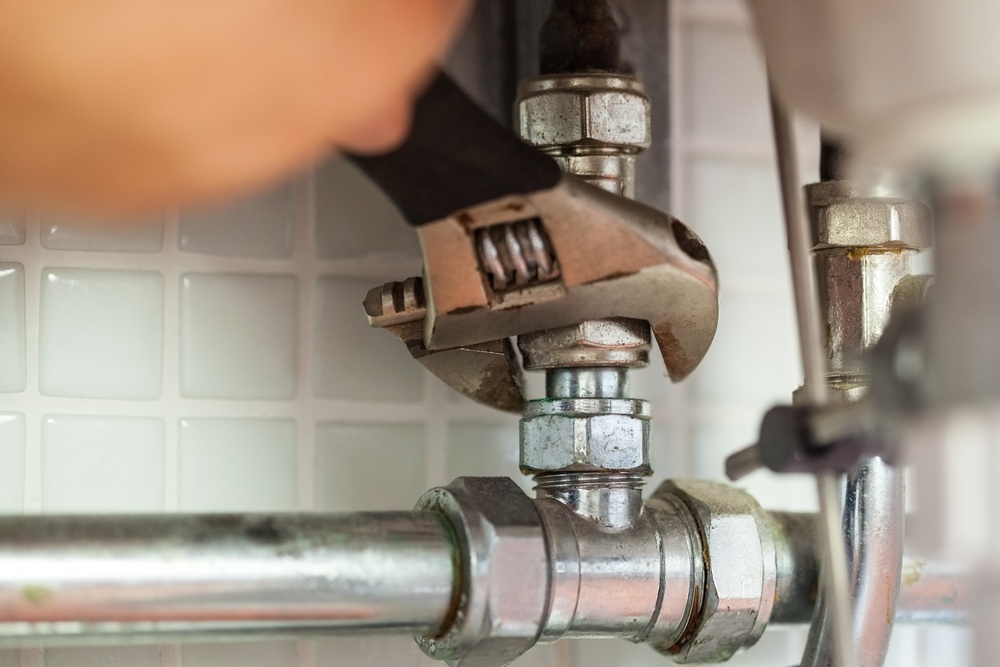
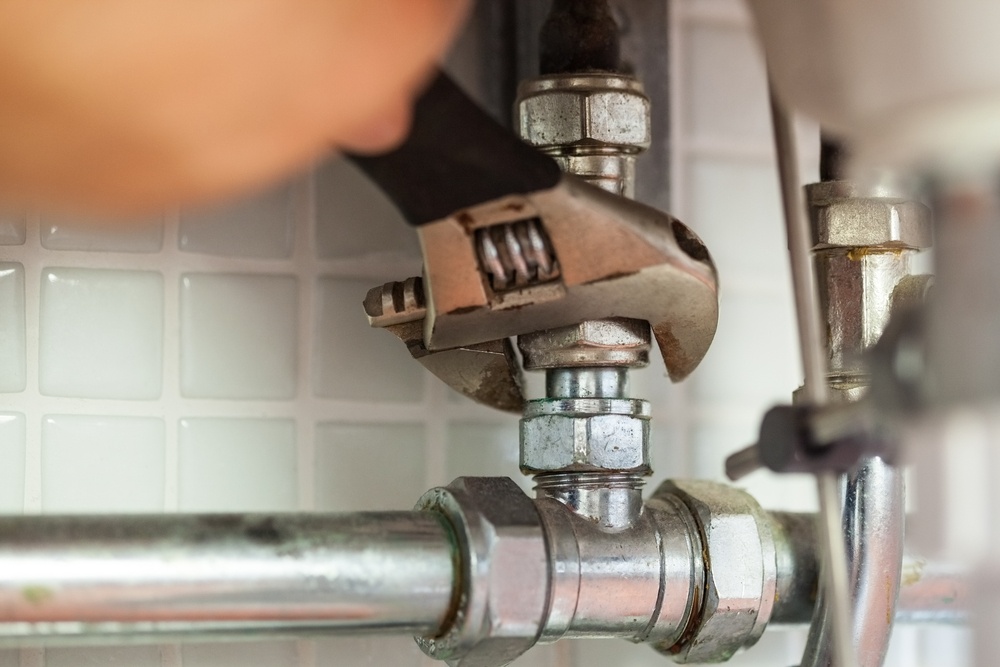
TMV servicing is more than a quick temperature check. A proper service typically includes:
- Isolating and safely dismantling the valve
- Inspecting internal components
- Cleaning or descaling strainers and filters
- Checking seals, springs, and thermostatic elements
- Reassembling and recalibrating the valve
- Verifying outlet temperatures and failsafe operation
- Recording results for compliance records
Without this level of intervention, TMVs may appear functional while gradually drifting outside safe performance limits.
Risks of not servicing TMVs
Failure to service TMVs introduces multiple risks, both safety-related and legal.
Scalding risk
A faulty TMV may:
- Delivery water above safe temperatures
- Fail to respond quickly to pressure or temperature changes
- Lose it failsafe function
This presents a serious hazard, particularly to children, the elderly, and people with reduced mobility or sensitivity.
Legionella control issues
Poorly maintained TMVs can:
- Encourage stagnation
- Accumulate scale and debris
- Create conditions where bacteria can proliferate downstream
This undermines wider water hygiene controls, even if the main system is otherwise well managed.
Compliance and liability
If an incident occurs, lack of evidence showing routine TMV servicing may expose dutyholders to:
- Enforcement action
- Civil claims
- Reputational damage
In investigations, the question is often not whether TMVs were installed, but how they were maintained.
TMV failures are rarely obvious – until something goes wrong. Regular servicing helps prevent scalding incidents, temperature drift, and hygiene issues that can expose dutyholders to serious risk.
Legal and Guidance Framework in the UK
While there is no single law that states “TMVs must be serviced every X months”, dutyholders have clear responsibilities under existing legislation and guidance.
Key expectations come from:
- The Health and Safety at Work etc. Act 1974
- The Control of Substances Hazardous to Health (COSHH) Regulations
- Approved Code of Practice L8
- HSG274 Parts 1-3
- Manufacturer instructions
Together, these require dutyholders to:
- Identify risks associated with hot water systems
- Implement appropriate control measures
- Maintain those controls in effective working order
- Keep suitable records
TMV servicing is therefore not optional; it is part of demonstrating that risks are being actively managed.
Who is responsible for TMV servicing?
Responsibility typically sits with the dutyholder, which may be:
- The employer
- The landlord or managing agent
- The facilities manager
- The organisation in control of the premises
Servicing must be carried out by competent persons with appropriate training and understanding of TMV operation and water hygiene principles.
Outsourcing TMV servicing does not remove responsibility – it transfers the task, not the duty.
How to decide the right servicing frequency for your site
The most effective approach is risk-based rather than purely calendar-based.
A robust Legionella risk assessment should:
- Identify where TMVs are installed
- Assess user vulnerability
- Consider water quality and usage
- Define inspection and servicing frequencies
- Align with manufacturer guidance
Servicing frequencies should be reviewed if:
- The building use changes
- Incidents or faults occur
- Water quality deteriorates
- New outlets or TMVs are installed
Key Takeaway
TMVs are a critical safety control – but only if they are maintained correctly.
As a general rule:
- Annual TMV servicing is the minimum expectation
- Higher-risk environments may require more frequent servicing
- Records are just as important as the physical work itself
Regular TMV servicing helps protect users, supports Legionella control, and provides vital evidence of compliance should it ever be required.
Unsure whether your TMVs are being serviced often enough? Contact our Water Hygiene Team